12 Views
In India, seasonal temperature variations may not be as extreme as in colder Western countries, but they still significantly affect water heater (geyser) performance and electricity consumption. From chilly North Indian winters to humid coastal climates and mild southern regions, the impact of seasonal change varies across the country. Understanding how these fluctuations influence your water heater can help reduce energy bills and improve efficiency.
Why Energy Use Increases in Winter
During winter months (November to February in most regions), the inlet water temperature drops considerably. This forces geysers to work harder to raise water temperature to a comfortable bathing level (usually 40–50°C).
1. Longer Heating Cycles
Colder inlet water requires more time and electricity to heat.
2. Higher Power Bills
Geysers may run 20–40% longer compared to summer months.
3. Increased Usage
Families tend to use more hot water for bathing, washing utensils, and laundry.
4. Strain on Heating Elements
Prolonged operation increases wear on heating elements and thermostats.
In colder cities, winter electricity consumption can noticeably rise due to geyser usage alone.
How Summer Lowers Water Heating Demand
During summer (April to July in most parts of India), groundwater temperature rises naturally. In many regions, especially southern states, the water may already feel lukewarm.
Read More : Top Questions to Ask Solar Installers in Arizona Before Signing a Contract
Benefits During Summer:
- Faster heating time
- Reduced electricity consumption
- Lower stress on geyser components
- Shorter usage duration
In warmer cities, geysers are often used minimally or not at all during peak summer.
Impact on Different Types of Water Heaters
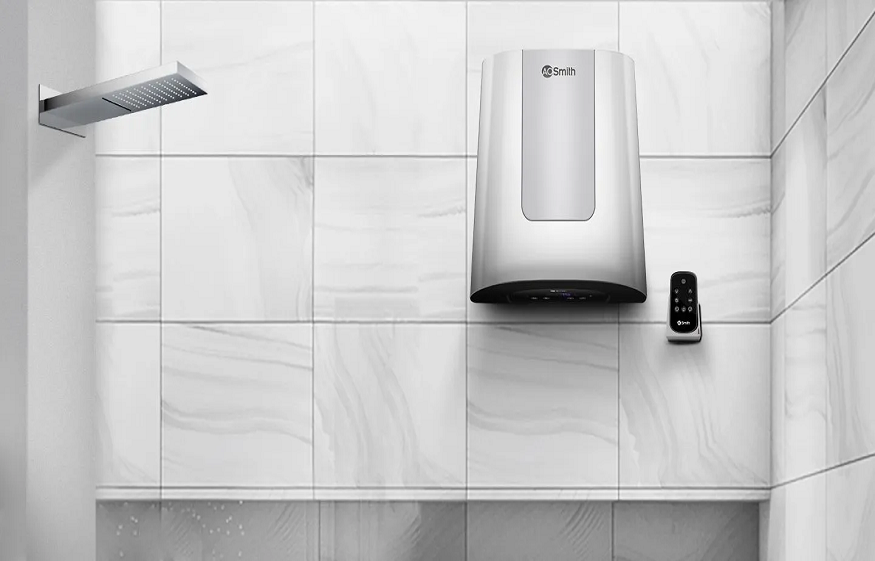
1. Storage Geysers
Storage water heaters are most affected by seasonal change. In winter, they require more time to heat the full tank. If multiple family members bathe consecutively, reheating cycles increase, raising energy use.
2. Instant Geysers
Instant geysers heat water on demand. In winter, very cold inlet water may reduce output temperature or flow rate, especially in northern India.
3. Solar Water Heaters
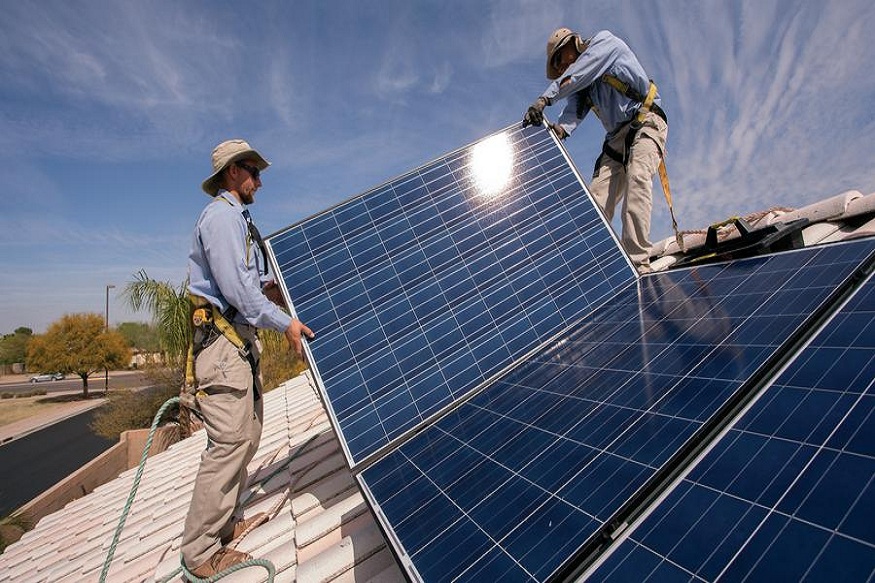
Solar systems are highly efficient in sunny regions like Rajasthan or Gujarat. However, during foggy North Indian winters, performance may reduce, increasing reliance on electric backup.
How Seasonal Changes Affect Electricity Bills
In India, water heaters are among the highest electricity-consuming appliances, often rated between 1.5 kW and 3 kW. During winter, daily usage can significantly increase household electricity bills. For a family of four in North India, geyser use alone can add a noticeable amount to monthly winter electricity expenses.
Tips to Improve Seasonal Efficiency
To manage performance and energy consumption:
- Set thermostat between 50–55°C (avoid maximum settings).
- Switch off the geyser once the water is heated.
- Use a timer or smart plug to control usage.
- Insulate exposed pipes in colder regions.
- Service the geyser annually before winter.
Read More : Why Choosing Licensed and Insured Plumbers in Bend, Oregon, Is a Smart Investment
These simple steps help reduce electricity consumption and extend appliance life.
Conclusion
Seasonal temperature changes across India significantly affect water heater performance and overall energy consumption, particularly in regions that experience colder winters. In summer, warmer incoming water reduces the heating load and lowers electricity usage. During winter, colder water temperatures require the heater to work harder, leading to increased power consumption. Awareness of regional climate conditions and consistent energy-efficient practices help households maintain comfort while keeping electricity bills under control throughout the year.