371 Views
A thriving garden is a result of smart care and a little patience. Garden maintenance can be one of the most rewarding pastimes of your life, offering peace, beauty and a sense of achievement. Yet, even the most well-meaning gardeners can fall into common traps that stunt growth or waste effort. From overwatering to neglecting soil health, these small slip-ups can lead to bigger problems down the line.
In this guide, we will explore the most common garden maintenance mistakes, how to avoid them and how a solar energy bank can keep your essential tools running smoothly, ensuring your gardening schedule never skips a beat. We will also discuss some practical tips and reliable house generators to keep your garden thriving all year round.
Overwatering or Underwatering Your Plants
In garden maintenance, few mistakes cause as much trouble as getting the watering wrong. Plants rely on the right balance of moisture, and both overwatering and underwatering can weaken or even kill them. Many gardeners misjudge how much water their plants actually need, often because they don’t consider soil type, weather conditions, or plant variety.
Signs of Overwatering and Underwatering
- Yellow leaves: Often starting with the lower leaves, this is a sign that roots are suffocating from too much water and can’t take in nutrients.
- Root rot: Roots turn black or brown, become mushy, and may give off a foul smell. This happens when the soil stays waterlogged for too long.
- Wilting despite wet soil: Plants can droop not only from lack of water but also from excess water, as damaged roots can’t supply enough moisture to the leaves.
- Constantly damp or soggy soil: The surface never dries out, creating conditions for mould and fungal growth.
- Dry soil: Soil feels crumbly, dusty, or has pulled away from the sides of pots or beds.
- Brittle or crispy leaf edges: Lack of water causes leaves to lose turgor pressure, leaving them dry and fragile.
- Slow growth or leaf curl: Plants conserve water by slowing growth and curling leaves inward to reduce surface area exposed to the sun.
Tips For Getting It Right:
- Understand your soil type: Soil type determines how much and how often you should water. Clay soil holds onto moisture longer, so deep watering less frequently is best to avoid waterlogging and root rot. Sandy soil drains very quickly, meaning you will need to water more often but in smaller amounts. Loam soil offers the ideal balance and usually needs moderate, regular watering. Knowing your soil type is a basic but powerful part of garden maintenance, helping you avoid over- or underwatering from the start.
- Water early morning or late evening: Early morning watering allows plants to absorb moisture before the sun speeds up evaporation, keeping them hydrated during the hottest parts of the day. Late evening watering can work during hot, dry spells, but avoid doing it in cool or damp weather, as wet leaves overnight can encourage fungal growth.
- Use a watering schedule or moisture meter: A set schedule keeps your watering consistent, especially during dry spells or when caring for large garden landscaping projects. However, always check the soil first using the finger test or a moisture meter to avoid unnecessary watering. For lawns, overwatering can create soggy patches, while underwatering can leave dry, patchy grass that’s harder to restore. Regular checks help keep both plants and turf in peak condition.
Ignoring Soil Health and Composition
One of the most overlooked garden maintenance mistakes is planting without first understanding or improving the soil. Many gardeners jump straight to planting without checking pH levels, assessing texture, or adding organic matter.
Poor soil can limit root development, reduce nutrient uptake and make plants more vulnerable to pests and diseases. Whether you are planning a new flowerbed, a vegetable patch, or working around edging garden lawn, healthy soil is the foundation for success.
Consequences of Poor Soil Health
- Plants may appear pale, grow slowly, or fail to produce flowers or fruit due to a lack of essential nutrients.
- Stressed plants are more susceptible to insect attacks, as they lack the resources to defend themselves.
- Poor drainage or imbalanced pH can create conditions for fungal growth, root diseases, and leaf problems.
- Even if you mow the lawn regularly or maintain neat beds, poor soil will limit the long-term results of your hard work.
How to Fix and Improve Soil Health
- Add compost and organic matter. It will improve texture, boost nutrient content, and enhance water retention.
- Use a soil test kit to determine acidity or alkalinity, then amend with lime or sulfur as needed.
- Rotate crops as it helps prevent nutrient depletion and reduces the build-up of soil-borne diseases.
- Avoid soil compaction. Use pathways or stepping stones in heavily trafficked areas to protect root zones.
Poor Pruning Practices
In garden maintenance, pruning is essential for shaping plants, encouraging healthy growth, and improving flowering or fruiting. However, pruning at the wrong time of year or cutting too aggressively can do more harm than good.
Many gardeners unknowingly remove buds that would have produced flowers, or they stress plants by taking off too much foliage at once. This is particularly common with roses, shrubs, and fruit trees. Even when working on garden landscaping, improper pruning can spoil the look and long-term health of your plants.
Consequences of Poor Pruning
- Cutting at the wrong time can remove the very roots that would have flowered or fruited.
- Removing too much growth at once can cause stress and make plants more susceptible to wind damage.
- Ragged cuts or using dirty tools can create open wounds that invite fungal infections and pests.
- Overzealous pruning can ruin the natural form of a plant, affecting its role in your overall garden design.
How to Prune Correctly?
- Learn seasonal pruning rules. Different plants have specific times when pruning promotes healthy regrowth; research before cutting.
- Use clean, sharp tools during your garden maintenance session. Sharp secateurs or loppers make neat cuts that heal faster, while cleaning tools prevent disease spread.
- Only remove live stems when essential for shaping, health, or safety; focus on dead, damaged, or crossing branches.
- Pause during pruning to check balance and shape, ensuring your work enhances both plant health and the look of the space, especially if part of your garden landscaping.
Neglecting Weeds Until They Take Over
In garden maintenance, weeds are an eyesore that can quickly dominate if left unchecked. Delaying weed control gives them time to set deep roots, spread seeds, and choke out desirable plants.
Some gardeners resort to strong chemical herbicides when weeds get out of hand, but overuse can damage soil health and harm surrounding plants. Whether they are sprouting through your flowerbeds or creeping along the edge of your lawn, tackling weeds early is far easier than fighting a full invasion.
Consequences of Neglecting Weeds
- Weeds often grow faster than cultivated plants, stealing essential minerals from the soil.
- Their aggressive root systems absorb moisture that would otherwise nourish your flowers, shrubs, or lawn.
- Weeds can shade smaller plants, stunt growth, and reduce flowering or fruiting.
- Overgrown weeds can shelter slugs, snails, and insect pests that will move on to your main plants.
How to Control Weeds Effectively
- Use mulch and ground covers to suppress weed germination while helping the soil retain moisture.
- Removing young weeds by hand or hoe prevents them from seeding and spreading.
- Try natural solutions such as household vinegar, boiling water, or flame weeders as they can tackle problem spots without chemicals.
- A healthy, dense lawn resists weed invasion; mow the lawn regularly at the correct height to keep it strong.
Using the Wrong Tools or Letting Equipment Die Mid-Task
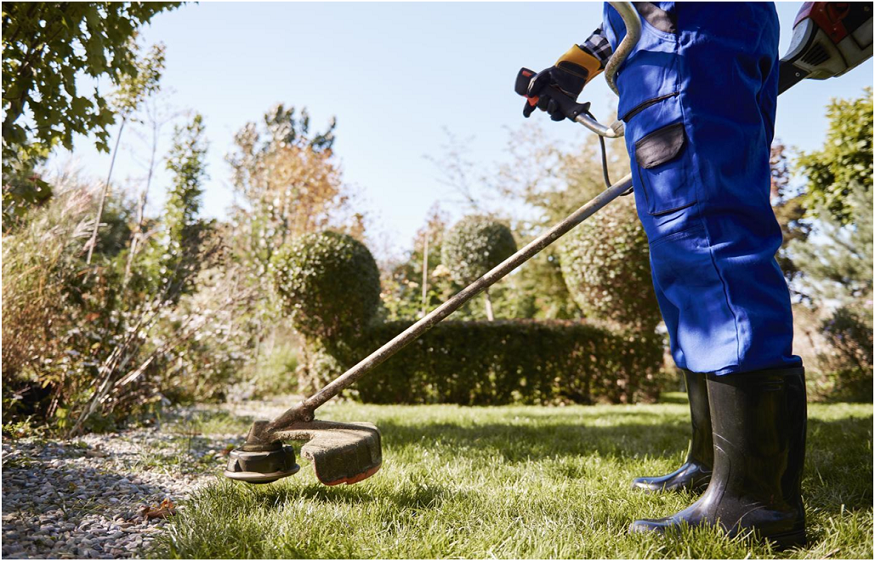
In garden maintenance, efficiency depends on having the right tool for the job. Using an undersized trimmer for thick hedges or a blunt mower blade for your lawn makes tasks harder, slower, and less effective. Even worse is when power tools stop mid-task because batteries run out or there is no power outlet nearby. This is a common issue in large gardens, especially when working along the edging of garden lawn features. Having a reliable portable power source can save time, frustration, and your carefully planned workday.
Common Problems When Using the Wrong Tools or Lacking Backup Power
- Power trimmers often run out of battery before completing the job, leaving hedges or borders uneven.
- No access to outlets in distant garden areas makes it impossible to run electric equipment without long, impractical extension leads.
- Uncharged devices or weather-dependent tools leave work half-finished when conditions or power supply fail.
Solution: Use a Jackery Portable Power Station
Jackery’s portable power stations provide a convenient, cord-free way to keep your tools running, no matter how far you are from the nearest plug socket. From trimming hedges to tackling remote garden landscaping areas, the following models will give you the freedom to work anywhere without worrying about flat batteries or tangled extension leads.
Jackery Explorer 500 Portable Power Station
The Jackery Explorer 500 Portable Power Station is a practical, portable power solution for any gardener working far from mains electricity. With a 518Wh lithium-ion battery pack and multiple output options (AC outlet, USB-A ports, DC ports, and a car port), it can run a variety of garden tools from small electric trimmers to lawn-edging equipment, without interruption.
Its compact, basketball-sized design with a solid handle makes it easy to carry between work zones, whether you are mowing a distant patch of lawn or trimming along the edges. Four charging options, including solar, wall, car, or generator, ensure it’s ready when you are. This is particularly useful for off-grid or large-scale garden landscaping projects.
Jackery Explorer 1000 v2 Portable Power Station
For more demanding garden maintenance tasks, the Jackery Explorer 1000 v2 Portable Power Station delivers 1070Wh capacity and 1500W output, enough to power higher-demand tools and appliances such as portable air compressors, electric chainsaws, or even a mini-fridge for outdoor refreshment breaks. Its whisper-quiet operation (under 22dB) ensures you can work in peace without disturbing the garden’s tranquility.
Its three quick-charging options, including emergency charging in just one hour, make it ideal for long workdays or when weather windows are short. Multiple USB and AC outputs allow you to charge several devices at once, meaning your phone, mower battery packs and lighting can all be ready to go while you work.
Planting in the Wrong Place
One of the most common garden maintenance errors is placing plants without considering their sunlight needs, soil drainage, or spacing. For example, placing sun-loving flowers in shaded areas or overcrowding plants can disrupt healthy growth. Just like poor garden landscaping or skipping edging can make a yard look untidy, incorrect plant placement can cause long-term health issues for your plants and create unnecessary upkeep challenges.
Consequences of Planting in The Wrong Place
- Plants in too much shade may grow weak, leggy, and fail to bloom.
- Overcrowded beds restrict airflow, increasing the risk of fungal diseases.
- Poor drainage can cause root rot and stunted growth.
- Higher maintenance needs, such as more frequent watering or pest control.
- Unbalanced garden landscaping that looks cluttered and disorganised.
- Extra time spent on tasks like mowing the lawn around poorly placed plants.
How To Fix It
- Read plant labels or research specific sunlight and water requirements.
- Observe your garden’s light patterns throughout the day before planting.
- Use raised beds or pots in areas with poor drainage.
- Space plants according to their mature size to prevent overcrowding.
Forgetting Seasonal Maintenance
A common slip in garden maintenance is thinking of it as a single, once-and-done task rather than an ongoing, year-round responsibility. Gardens, much like lawns that need regular mowing or borders that need edging, thrive on consistent care tailored to each season. Ignoring this cycle means missing critical steps that keep plants healthy, lawns lush and the overall garden landscaping looking its best.
Consequences of Forgetting Maintenance
- Neglecting pest checks allows insects or diseases to multiply, often unnoticed until damage is severe.
- Without seasonal feeding, aeration, and mowing adjustments, grass can thin or die off, leaving bare spots.
- Without timely weeding, unwanted plants can spread and choke out desired growth.
- Failure to clear fallen leaves or debris before winter can block drains and cause waterlogging.
- Beds, borders, and edging become untidy, affecting the overall appearance.
How To Fix It
- Create a seasonal garden care calendar. Plan specific tasks for each season: spring prep, summer watering, autumn cleanup, winter protection.
- Refresh mulch regularly. It helps with moisture retention, weed suppression, and soil temperature control.
- Mow the lawn at the correct height for the time of year, fertilise as needed, and aerate annually.
- Sharpen blades, oil moving parts, and store equipment properly to make seasonal tasks easier and more effective.
Wrapping It Up
A thriving garden isn’t just about planting pretty flowers; it is about smart, consistent garden maintenance. In the UK’s ever-changing weather, knowing how to avoid common mistakes like poor plant placement, forgetting seasonal tasks, or neglecting lawn care can make all the difference. From edging the garden lawn for a crisp finish to planning seasonal care for plants, each step adds to a healthier, more beautiful outdoor space.
Think of your garden as a year-round project, not a one-off job, and it will reward you with colour, structure, and life through every season. Good garden maintenance is the secret to lasting beauty.